Dubai’s property market entered 2026 with strong momentum, and the first quarter confirmed that demand for quality homes remains firmly in place. While the pace of growth has started to become more measured in some segments, prices continue to move higher, transaction activity remains strong, and limited availability in established communities is giving well-positioned properties an advantage.
For buyers, sellers, and investors, Q1 2026 offered an important glimpse into the next phase of Dubai’s property cycle: a market that is still growing, but one where location, quality, pricing, and timing matter more than ever.
A Strong Start to 2026
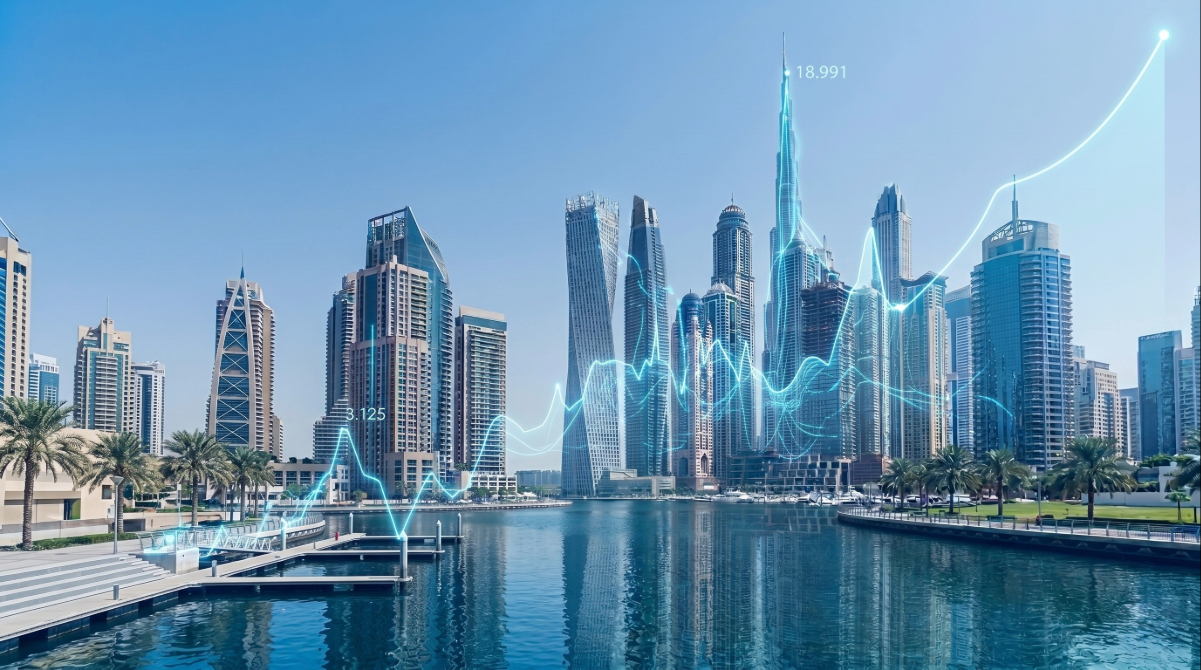
Dubai recorded around 43,000 residential transactions during Q1 2026, with a total transaction value of approximately AED 114.7 billion, according to Knight Frank. Residential prices increased by 3.7% during the quarter, reaching around AED 1,749 per square foot. This placed citywide values significantly above the previous market peak recorded in 2014.
Other market data also points to strong activity. CBRE reported approximately 43,000 residential transactions during the quarter, representing a 23% year-on-year increase. Total residential sales value reached around AED 115 billion, while transaction values increased by 29% compared with Q1 2024.
The numbers tell a clear story: Dubai is not simply experiencing higher prices. More buyers are actively participating in the market, and the overall value of transactions continues to expand.
Why Are Prices Continuing to Rise?
One of the biggest factors behind the market’s performance is the relationship between demand and supply.
Dubai continues to attract new residents, entrepreneurs, investors, and international buyers. At the same time, buyers are increasingly looking for properties that offer more than just a place to live. Waterfront locations, established communities, branded residences, villas, and homes with strong amenities continue to attract considerable attention.
This is particularly important in established communities where available resale stock can be limited.
When demand remains strong but the number of quality homes available for immediate purchase is restricted, sellers gain greater pricing power. Buyers, meanwhile, often have to make decisions faster when the right property appears.
Supply Is Growing — But Delivery Matters
Dubai has a significant residential development pipeline. More than 25,000 new residential units were launched during Q1 2026, according to CBRE. However, the number of launches does not necessarily mean that all of these homes become available to buyers immediately. Project completion and delivery timelines remain an important part of the supply equation.
This distinction matters.
A property announced today may take several years to reach completion. For buyers who want to move in now or within the next few months, newly announced projects do not necessarily solve the shortage of ready homes.
That is one reason established communities continue to perform strongly.
For investors, it also creates an opportunity to look beyond headline supply numbers and understand when new stock is actually expected to enter a particular neighbourhood.
Villas Continue to Stand Out
One of the clearest trends in Q1 was the continued strength of Dubai’s villa market.
Knight Frank reported that villa values increased by 3.9% during Q1 2026, reaching approximately AED 2,088 per square foot. Villa prices were also around 43.5% above the previous 2014 peak.
The reason is relatively straightforward: suitable villa inventory remains highly sought after.
Families moving to Dubai are often looking for larger homes, private outdoor space, good schools nearby, and established community facilities. This has helped communities such as Palm Jumeirah, Dubai Hills Estate, Emirates Hills, Arabian Ranches, and other villa-led areas maintain strong buyer interest.
The villa segment is therefore no longer simply a luxury niche. It has become an important part of Dubai’s broader residential story.
Off-Plan Remains a Major Force
Off-plan property continued to dominate a significant portion of Dubai’s residential market in Q1.
CBRE reported that off-plan transactions increased by 33% year-on-year, while Knight Frank found that off-plan transactions represented approximately 69% of all residential transactions during the quarter.
There are several reasons behind this.
Developers can offer attractive payment structures, newer amenities, and access to communities that are still being developed. For investors with a longer investment horizon, off-plan properties can also provide access to new supply before completion.
However, the strong performance of off-plan does not mean ready properties have become less attractive.
In fact, ready homes continue to appeal strongly to end users who want immediate occupancy, established surroundings, and a clearer understanding of the property’s actual rental or resale potential.
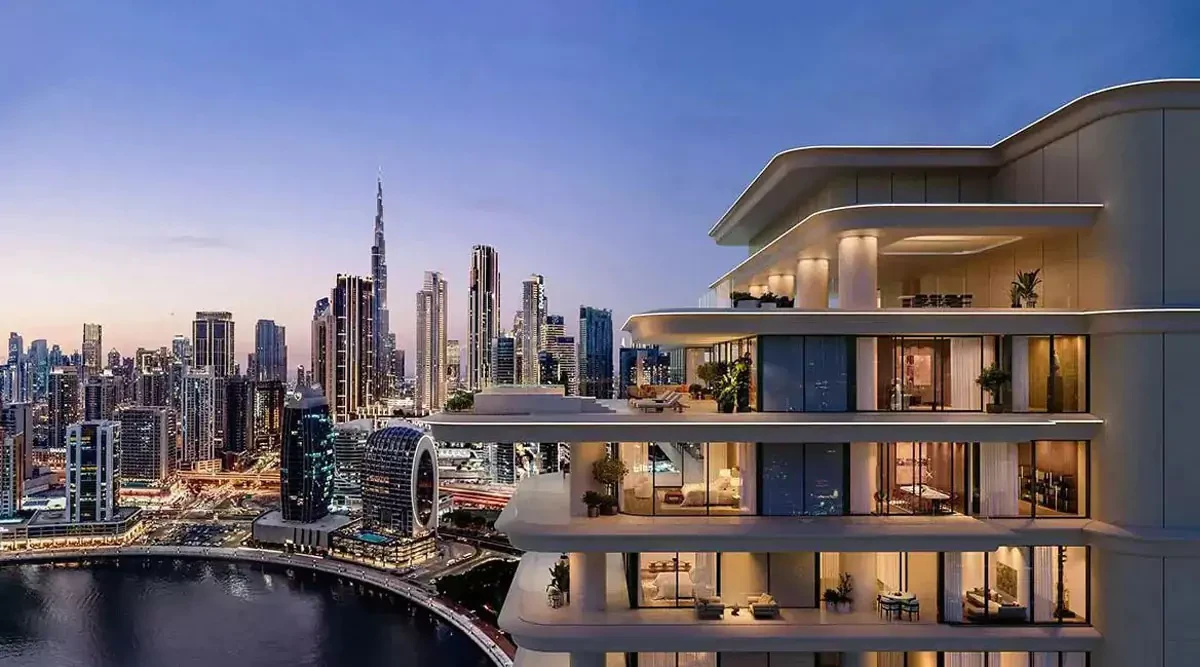
Dubai Marina and Downtown Dubai Continue to Attract Buyers
Dubai’s established central and waterfront communities remain particularly relevant in this environment.
Dubai Marina continues to benefit from its waterfront lifestyle, restaurants, transport links, and strong rental demand. Downtown Dubai offers a different proposition, combining premium residences with proximity to major business, retail, hospitality, and entertainment destinations.
These locations demonstrate an important principle in Dubai’s current market: not all supply is equal.
A large number of new units entering the overall market does not necessarily reduce demand for a well-maintained apartment in a prime, established location.
For buyers, the question is therefore becoming less about simply finding a property and more about finding the right property.
What Does This Mean for Buyers?
For buyers entering Dubai’s market in 2026, patience and preparation are increasingly important.
The strongest strategy is not necessarily to wait for prices to fall. Instead, buyers should understand their preferred communities, compare recent transactions, assess service charges and rental potential, and establish a realistic budget before beginning their search.
A well-priced property in a strong location can still represent better value than a cheaper property with weaker demand or limited resale potential.
Buyers should also distinguish between asking prices and actual transaction prices. A property being advertised at a particular figure does not automatically mean that it will sell for that amount.
Local market knowledge becomes especially valuable here.
What Does It Mean for Sellers?
For sellers, the current market presents a favourable opportunity — but only when pricing is realistic.
Strong demand can create confidence, but overpricing can cause a property to sit on the market while competing listings attract buyers first.
The best-performing listings are usually those that combine accurate pricing with strong presentation, professional photography, clear positioning, and a focused marketing strategy.
In a market where buyers have access to thousands of listings, the first few weeks can make a significant difference.
The Bigger Picture
Q1 2026 showed that Dubai’s property market remains fundamentally strong.
Prices continued to rise, transaction volumes increased, off-plan demand remained robust, and villas continued to outperform many other residential segments. At the same time, supply is expanding, which means the market is gradually moving toward a more selective phase.
The headline opportunity is no longer simply that “Dubai property prices are rising.”
The real opportunity lies in understanding which communities are outperforming, which properties are genuinely scarce, and where demand is likely to remain sustainable.
For buyers and investors, this means taking a more research-driven approach. For sellers, it means understanding the market before setting a price.
Dubai’s property market is still moving forward — but as Q1 2026 demonstrated, the next stage of growth will be increasingly defined by quality, location, and informed decision-making.